Executive Summary: Wellness programs fail without personal ownership. This article provides actionable steps for taking responsibility across all five wellness dimensions—emotional, physical, mental, relational, and spiritual health. Learn how to start small, build accountability, engineer your environment, and recommit after disruption.
Your organization can provide the best wellness program in the world—tools, resources, support, access to everything you need.
But here’s what we’ve learned working with thousands of people over four decades: nothing changes until you decide to own it. Not your employer’s responsibility to fix you. Not your spouse’s job to motivate you. Not your doctor’s role to save you from yourself.
Yours.
The Harsh Truth About Personal Ownership
Most people say they want to be healthier—then they choose the couch over the walk, the processed food over the real meal, the scroll over the sleep. Here’s what we’ve observed: it’s rarely about being too busy. It’s about making choices that reveal your actual priorities, and that’s not judgment—that’s observation from watching thousands of people navigate this exact gap between intention and action.
I’ve coached a successful executive who told me point-blank: “I know what I need to do. I’m just not doing it.” He had access to everything—gyms, nutritionists, therapists, coaches. He had money, time, and knowledge. What he didn’t have was ownership. He was waiting for circumstances to change, for motivation to strike, for the perfect moment when everything aligned perfectly.
That moment never comes. At some point, the most powerful decision you can make is this: today—right now, in this moment—is when you stop waiting and start owning your choices.
What Ownership Actually Looks Like
Ownership isn’t a feeling—it’s a decision followed by consistent action. It means shifting from blaming circumstances to managing choices. When you acknowledge the gap between where you are and where you want to be—not someday but today, right now, in this moment where you’re either moving toward health or away from it—you can begin making different decisions. Your company might offer programs, your spouse might encourage you, your doctor might prescribe solutions, but the work itself? That’s yours to do, and that’s actually where your power lives.
And you recognize that small choices compound over time. Every meal. Every moment of movement or stillness. Every hour of sleep. Every conversation. Every thought pattern you reinforce or interrupt. These aren’t dramatic transformations that happen overnight—they’re quiet decisions repeated consistently until they become who you are.
Start With One Change You’ll Actually Make
Here’s what we’ve learned works better than trying to fix everything simultaneously: they get inspired, overhaul their entire life, and burn out within two weeks. Instead, pick one dimension. Choose one change. Make it so small you can’t fail. Maybe it’s drinking water before coffee in the morning. Maybe it’s taking three deep breaths before responding to a difficult email. Maybe it’s walking for ten minutes after lunch. Maybe it’s putting your phone in another room at night.
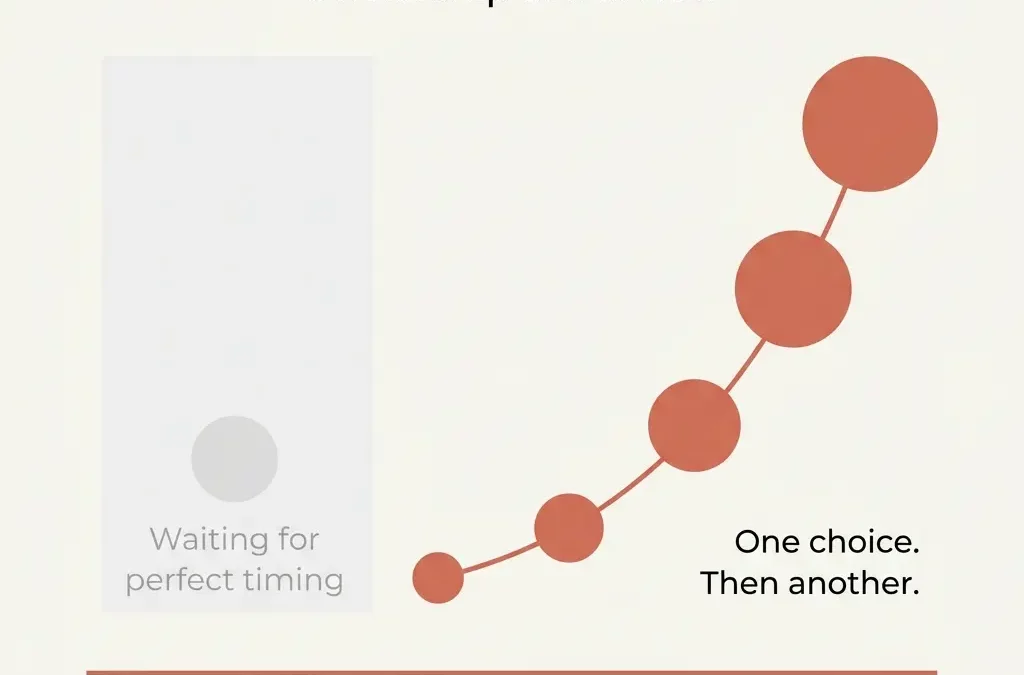
One member of our team lost 40 pounds. He didn’t start by overhauling everything—he started by making one better choice, then another, then another. Small wins create momentum. Momentum builds confidence. Confidence enables bigger changes. The key is starting, and starting means choosing something specific today.
Build Your Support System—You Can’t Do This Alone
Ownership doesn’t mean isolation—you need people who will tell you the truth when you’re lying to yourself, people who will celebrate progress and call out the excuses you’re making. Tell someone what you’re committing to. Specificity matters here. Not “I want to get healthier”—say “I’m walking three times this week for 15 minutes each time.” Find one person who will ask you about it. Not nag. Not shame. Just ask: “Did you do what you said you’d do?”
I’ve watched people try to change in secret, hiding their efforts because they’re afraid of failing publicly. Here’s what we’ve observed: that fear keeps you stuck, while accountability accelerates progress because it converts private intention into public commitment, and that changes everything.
Engineer Your Environment to Support Your Choices
Willpower is overrated. Environment is underestimated. When you’re tired, stressed, or overwhelmed, motivation becomes unreliable—what you need are systems that make the right choice the easy choice. Consider removing friction from healthy behaviors: lay out your workout clothes the night before, prep meals on Sunday, keep water visible on your desk, delete apps that drain your mental energy. Add friction to unhealthy patterns: put your phone in another room when you sleep, unsubscribe from emails that trigger unnecessary purchases, create physical distance between you and temptation.
If you say wellness matters but your environment contradicts that, your environment wins every time. This isn’t about perfection—it’s about making it slightly easier to do what you’ve already decided matters.
Track Progress Without Obsessing Over Outcomes
You need to know if what you’re doing is working, but here’s the trap we’ve seen repeatedly: most people measure the wrong things and quit when they don’t see immediate results. We highly recommend tracking behaviors, not just outcomes. Did you do what you committed to? That’s success, regardless of what the scale says or how you feel today. Notice energy shifts before physical changes—better sleep, clearer thinking, more patience with your kids. These often matter more than pounds lost or miles run.
Consider checking in weekly rather than daily. Daily fluctuations rarely tell you much. Weekly patterns reveal trends. Real transformation takes longer than you want and works better than you expect—if you stay consistent.
Expect Disruption—And Recommit Anyway
Life will interrupt your progress. Things will happen. Work demands can interfere. Family commitments will happen. Travel can throw off your routine. Disruption isn’t failure—quitting after disruption is failure. I’ve watched people make incredible progress, hit a disruption, and use it as permission to abandon everything. Six months later, they’re starting over from scratch.
Here’s what ownership looks like when life gets hard: acknowledge the disruption without dramatizing it—”This week was chaos, next week I’m back.” Don’t demand perfection from yourself. Maybe you can’t do everything you planned, but what’s the one thing you can still do? Use setbacks as data, not verdicts. What made it hard to follow through? What can you adjust?
The people who succeed long-term aren’t the ones who never stumble—they’re the ones who recommit after every stumble.
Consider the Spiritual Dimension—It Matters More Than You Think
Most wellness programs ignore this entirely—they treat you like a machine that needs better fuel, maintenance, and rest. But you’re not a machine. You’re a human being with a soul navigating questions of meaning, purpose, and fulfillment. You can optimize every other dimension and still feel empty if you ignore the spiritual.
It means acknowledging that you’re a spiritual being have a physical experience. This dimension is part of your wellness journey. At CRG, we’ve found that a faith-grounded approach provides coherence that secular frameworks struggle to match. We’ve watched people find fulfillment they couldn’t access any other way when they acknowledged this dimension. When spiritual health gets overlooked, you might be addressing symptoms while missing the source of meaning that makes everything else worth the effort.
The Choice That Changes Everything
You can wait for the perfect moment—more motivation, better circumstances, fewer demands on your time. Or you can decide today that you’re done waiting.
Ownership starts with one honest decision: I’m responsible for my wellness, and I’m choosing to do something about it. Not everything. Not perfectly. Not all at once. But something. Starting now.
Pick one dimension. Choose one change. Tell one person. Engineer one part of your environment. Track one behavior. Then do it again tomorrow, and the day after that, and the day after that.
The wellness programs, the resources, the support systems—they matter. But they only work when you bring ownership to the table. Your organization can build the infrastructure. Your spouse can encourage you. Your doctor can prescribe solutions. But the decision to actually change? That’s yours alone.
What are you going to do about it?
Common Questions About Personal Wellness Ownership
What does personal ownership mean in wellness?
Personal ownership means taking responsibility for your health choices across all five dimensions—emotional, physical, mental, relational, and spiritual—regardless of external programs or support.
How do I start taking ownership of my wellness?
Start with one small change you can’t fail at: drinking water before coffee, taking three deep breaths before responding to emails, or walking ten minutes after lunch. Small wins create momentum.
Why do wellness programs fail without personal ownership?
Organizations can provide tools and resources, but transformation only happens when individuals decide to consistently apply what they learn. Programs are infrastructure; ownership is the engine.
What role does spiritual health play in wellness?
Spiritual health addresses meaning, purpose, and fulfillment. You can optimize every other dimension and still feel empty if you ignore this aspect. A faith-grounded approach provides coherence that secular frameworks struggle to match.
Want to assess your current wellness condition across all five dimensions? Explore our Stress Indicator & Health Planner and Dying to Live eCourse at www.crgleader.com.