
Blog

Before Leadership Skills Come Leadership Principles
Transformational Leadership Begins With What You Believe Over the years, I've asked thousands of leaders to consider a question that sounds simple but is much deeper than it first appears: What do you actually believe about people? Do you believe...

Your Real Culture Isn’t On The Wall – It’s What Your People Experience
Most organizations can tell you what their culture is. Integrity. Respect. Accountability. Excellence. Teamwork. Innovation. Those words appear on websites, in employee handbooks and on walls throughout the office. But having organizational values...
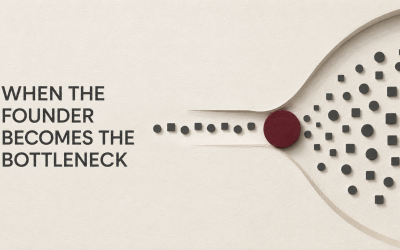
When the Founder Becomes the Bottleneck: How to Get Out of the Way of Growth
There is a point in the growth of many organizations where the very person who helped create the success can unintentionally begin to limit it. The founder built the relationships, knows the history, understands the clients and makes the important...

Transformational Leadership: Great Leadership Doesn’t Happen by Accident
Leadership isn't simply a title. It's not reserved for CEOs, executives, politicians or people managing large teams. Every one of us leads. We lead organizations, teams and families. Perhaps most importantly, we lead ourselves. Whether you're...

How To Live Your Life To The Fullest
I'll never forget standing outside the emergency room with tears streaming down my face. My nine-year-old son, Tim, was in critical condition with a severe case of appendicitis. In that moment, everything that had seemed important only hours...

It’s Never Too Late
Have you ever talked yourself out of a dream because you thought it was too late? Maybe you convinced yourself it would take too long or that you had missed your opportunity. Perhaps you've been carrying the same dream for years but keep finding...

Hey, Are You Having Fun…Yet?
Take a look around. Does it seem like we've forgotten how to have fun? Life is busy. Responsibilities pile up. Deadlines, commitments, and constant demands can make it easy to believe that being serious all the time is the price of success. But...

Why Aren’t You More Like Me? Discover the Secrets to Understanding Yourself and Others
Have you ever found yourself thinking: "Why would anyone do it that way?" Or perhaps you've wondered why a co-worker needs pages of detail before making a decision, while someone else is ready to act after a five-minute conversation. Maybe you've...

Are You Taking Responsibility for Your Health?
How much is your health worth to you? Most people say their health is one of their highest priorities. Yet too often, we don't give it serious attention until something goes wrong. I learned that lesson personally many years ago. Back in the 1980s,...
Success Requires Effort: There Are No Shortcuts to Lasting Success
Everyone wants to be successful. Whether you're an athlete pursuing a gold medal, a teacher striving to make a difference, a business owner building a company or a professional advancing your career, most of us want to succeed at something that...

The Three Steps Most Assessment Companies Skip (And Why We Don’t)
Executive Summary: Most organizations invest in assessments but see little lasting change because they stop at awareness. Lasting transformation benefits from three additional steps: building stakeholder feedback loops, restructuring work around...

The Billion-Dollar Lesson: Why We’re Measuring Training All Wrong
Executive Summary: A CEO committed to an 18-month leadership program and development process and as a result grew to a billion-dollar organization. The secret? He measured behavioral changes from real stakeholders instead of traditional metrics,...